Beyond the Book with Dr. Hambrick: “Depression and Anxiety”
Mary Asta Mountain | August 12, 2026

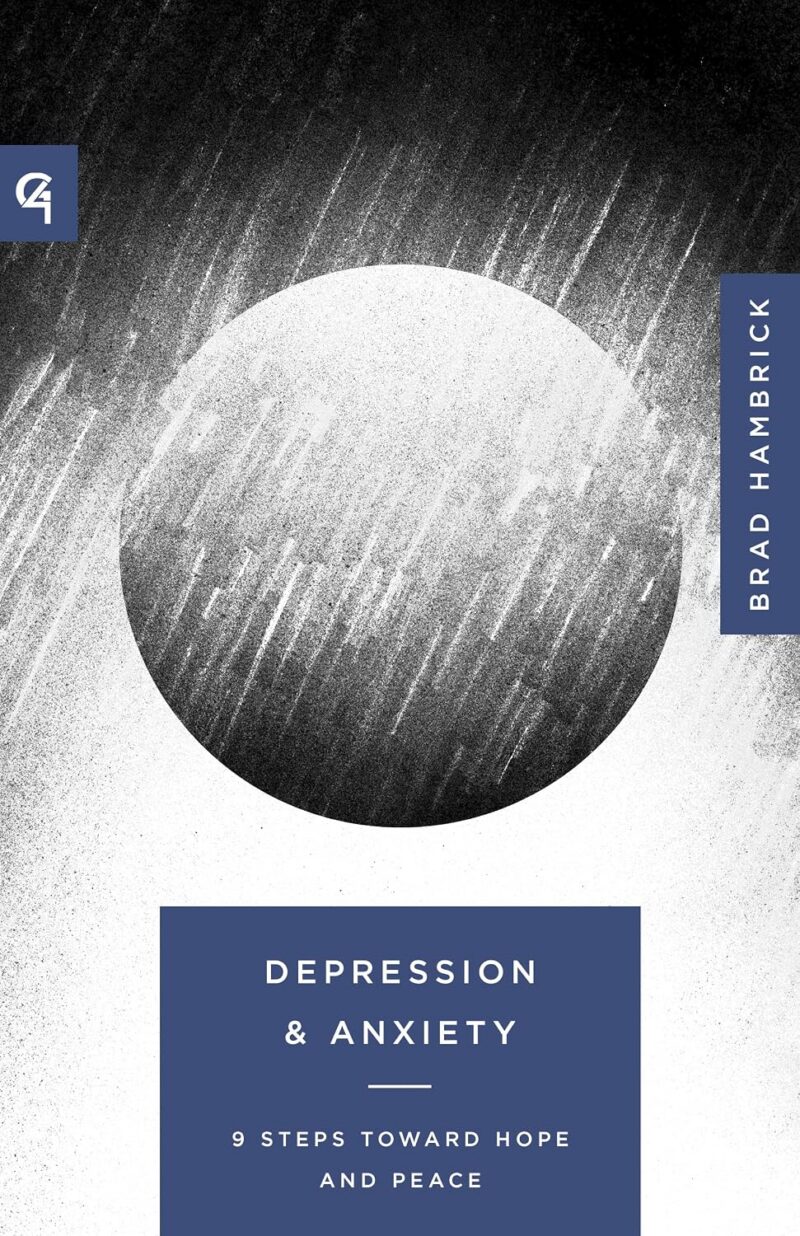
What does it look like to pursue hope and peace while walking through the darkness of depression and anxiety? For the past several years, Brad Hambrick, assistant professor of biblical counseling at Southeastern Seminary, has been building out his Church-Based Counseling series, which is composed of a variety of books that serve as resources for lay counseling ministries and individuals. His most recent addition is a book titled “Depression and Anxiety: 9 Steps Toward Hope and Peace,” in which he offers practical guidance and actionable steps for those facing the acute hardships of depression and anxiety.
In the following Q&A, Hambrick takes some time to share more about this new publication and how it helps guide the reader toward hope and peace.
What would you tell a reader approaching this book for help for the first time?
Be patient. Be patient with yourself and be patient with the process of change. When life has been hard for a long time, it’s easy to think change should be fast and to feel like you’re failing if it isn’t. That only makes the experience of depression and anxiety more intense.
A second suggestion would be don’t take this journey alone. Invite a friend, mentor, pastor, or counselor to come alongside you. Social withdrawal and a sense of shame often make the experience of depression and anxiety more intense. Allow this book to become a prompt for working through this material with someone else. That can be just as helpful as the material itself.
What are some of the unique challenges Christians face in navigating depression and anxiety, especially within the local church?
Many Christians believe that if their faith was strong enough they would not struggle with depression or anxiety. In this sense, believers begin to feel bad for feeling bad. This doubles the emotional load they carry. The reality is, if you trace the pages of Scripture (as “Depression and Anxiety” invites you to do) you will find that many of the great saints in the Bible wrestled with these emotions.
The reality is, if you trace the pages of Scripture (as “Depression and Anxiety” invites you to do) you will find that many of the great saints in the Bible wrestled with these emotions.
How does understanding the interplay between suffering and sin better help us understand anxiety and depression?
Questions of sin and suffering can be boiled down to the following: “Is my depression and anxiety the result of my beliefs, values, and choices being out of line with Scripture (sin)?” or “Is my depression and anxiety something that is happening to me (suffering)?” For all of us, the answer is some of both.
In “Depression and Anxiety,” my desire is to help you sort your influence over your emotions. Where you have responsibility, you can rejoice that there are changes you can make to find relief. Where you do not have direct influence, you can know God is patient and caring toward these effects of the Fall. In “Depression and Anxiety,” suffering serves as the primary lens through which to understand your experiences of these emotions because I want to emphasize God’s compassion toward our hardship regardless of its origin.
What is the relationship between hope and practical action in the battle against anxiety and depression?
A big part of the battle against depression and anxiety is resisting a sense of powerlessness. Whether that means alleviating the effects of suffering or expressing more functional faith and obedience, practical action demonstrates that you are not powerless. That gives hope.
One of the takeaways I hope readers get from this book is that acknowledging suffering does not mean you become passive toward or surrender to your hardships. When you declare an experience to be suffering, you are saying, “This is not my fault. I do not need to repent,” not, “There is nothing I can do.”
What advice would you give to a friend or leader who is supporting someone walking through this book?
Listen more than you talk. Your friend does not need a “pep rally” to cheer them up. The alternative to depression is not happiness; it is hope. The alternative to anxiety is not stoicism; it is peace. Life can still be hard; people can still struggle while holding onto hope and having peace. Often our well-intended words rush our friends.
The alternative to depression is not happiness; it is hope. The alternative to anxiety is not stoicism; it is peace.
Look for things to affirm. Depression and anxiety are emotions that give us pessimistic lenses about life. While depressed and anxious our friend is likely to notice everything that is wrong or hard about his or her life. Whenever possible, your words should strive to call attention to where your friend is persevering, striving, caring, and expressing other faithful qualities. Because of your friend’s disposition, he or she is likely to overlook these sources of encouragement. Your words should help point toward the reason for peace and hope.
How has God particularly encouraged or challenged you throughout the process of writing this book?
It has been encouraging to see how much God’s people want to care for one another. There has been so much hunger for resources like this that help structure the support that Christian friends and pastors want to provide. It is always challenging to help carry the emotional burdens of our friends. We shouldn’t overly romanticize what it is like. But when we think about cultivating a church family where no one has to carry the burden of depression and anxiety alone, that should encourage us all.
“Depression and Anxiety: 9 Steps Toward Hope and Peace”
Counselor Brad Hambrick outlines a 9-step process for finding hope and relief amid the struggles associated with depression and anxiety.
The persistent presence of depression or anxiety can make us want to give up. We begin to wonder, “What’s the use?” The slow fade of hope and heavy weight of dark emotions make our suffering more intense. In a broken world, it’s impossible to completely eradicate depression and anxiety, but we can have hope and find meaning amid our struggle. This hope becomes more tangible with a concrete plan and support from friends.
“Depression and Anxiety” is a step-by-step, biblically rooted plan that can be used as a personal study, with a counselor, or in a group. Participants will learn to bring their hardships to God, steward their body well, and pursuing a meaningful life even when they feel depressed or anxious. Hambrick emphasizes the importance of understanding the interplay between suffering and sin and provides practical tools to address emotional struggles while encouraging spiritual growth.
- 9-step model helps participants understand the struggles that accompany depression and anxiety and gives actionable strategies for overcoming with the hope of the gospel.
- In-depth resource for churches and individuals to use for support groups to address depression and anxiety in a faith-filled and healing way.
- A resource in the Church-Based Counseling series, built on the G4 model of subject-specific, lay-led counseling groups, designed to help churches create sustainable lay counseling ministries.