Beyond the Book with Dr. Hambrick: “Growing After Trauma”
Mary Asta Mountain | August 14, 2026

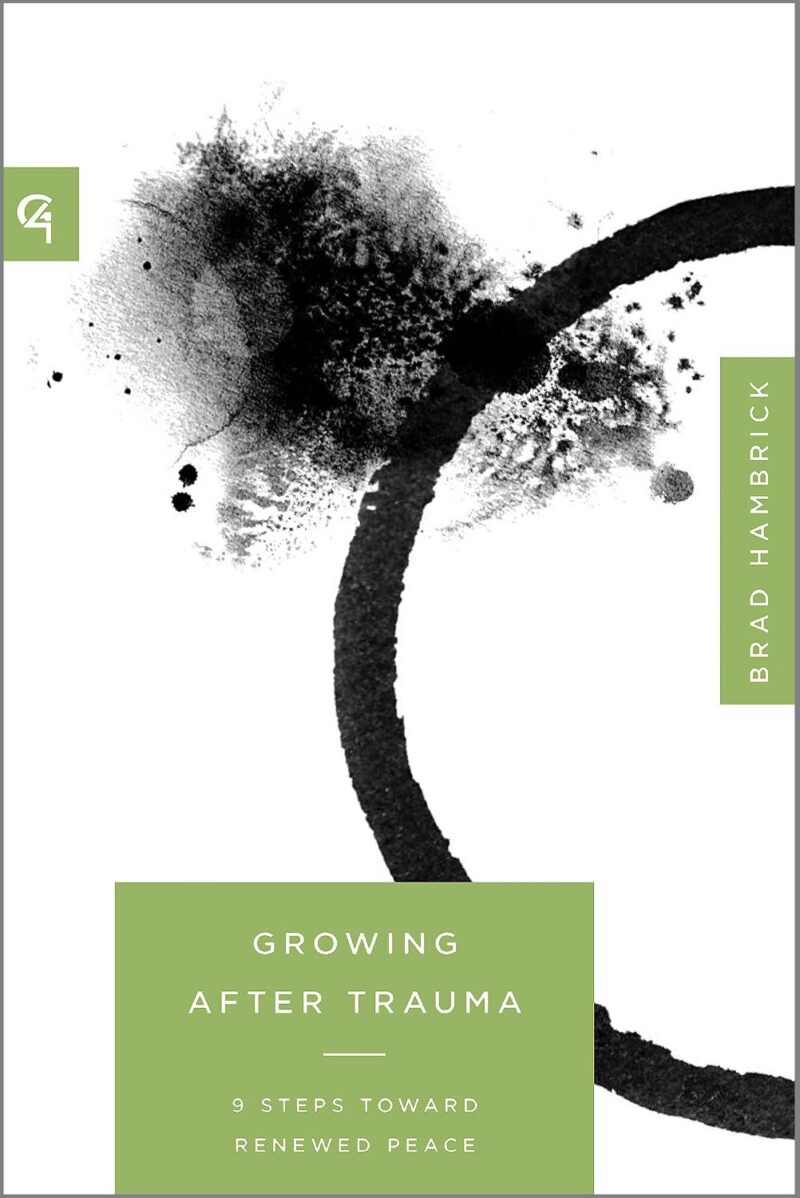
What does it look like to pursue renewed peace following trauma, and is this peace possible? For the past several years, Brad Hambrick, assistant professor of biblical counseling at Southeastern Seminary, has been building out his Church-Based Counseling series, which is composed of a variety of books that serve as resources for lay counseling ministries and individuals. One of his most recent additions is a book titled “Growing After Trauma: 9 Steps Toward Renewed Peace,” in which he offers practical guidance and actionable steps for those seeking renewed peace in the aftermath of a trauma experience.
In the following Q&A, Hambrick takes some time to share more about this new publication and how it serves readers on their journey toward renewed peace.
What would you tell a reader approaching this book for help for the first time?
Take your time. Read in small segments. When you start to feel like your experience of trauma and its impact are understood, it can be easy to want to read too much too fast. A theme that I emphasize frequently in “Growing After Trauma” is to move at your own pace. Often trauma leaves you feeling like you have been stripped of control, but you can restore some of your God-given agency by realizing that during recovery you have a voice in deciding the pace at which you move.
What are some of the most common misconceptions about trauma?
We don’t actually counsel or overcome trauma. That would require rewriting the past. You cannot unwrite trauma from your story, as much as you might wish you could. What you can focus on is alleviating the effects of post-traumatic stress.
You cannot unwrite trauma from your story, as much as you might wish you could. What you can focus on is alleviating the effects of post-traumatic stress.
This assuages one of the biggest fears about a book like “Growing After Trauma”: “Am I going to have to recall what happened to me in great detail?” The answer is, “No,” because we’re focusing on alleviating the effects of post-traumatic stress and restoring peace rather than trying to give you a “redemptive” (often mistaken to mean overly positive) perspective on your traumatic experiences.
What damage occurs when we minimize trauma’s impact?
We don’t restore peace by minimizing danger, past or present. When we minimize the impact of trauma – often because we don’t have words to accurately describe and account for the impact of trauma – we inadvertently communicate, “You should be over this by now.” That message, even if only communicated indirectly, shuts down further support when it is needed the most.
What are some of the fundamental steps for readers to take on this journey to help ensure they can experience more renewed peace?
The early parts of “Growing After Trauma” focus on helping you create an environment for growth rather than giving you goals to achieve. Think of it this way: the first step in creating a garden isn’t planting seeds. It is tending to the soil. Creating an environment hospitable for growth allows the seed to do what God created it to do.
Creating an environment hospitable for growth allows the seed to do what God created it to do.
Similarly, the early part of recovery from the impact of a trauma experience involves creating an environment hospitable for growth. This allows all the natural resiliency responses God gave you to begin to sprout. The beginning of “Growing After Trauma” helps you establish an environment of safety, identify good support, and understand your experience. You are likely to be pleasantly surprised at how much benefit these things can provide.
What advice would you give to a friend or leader who is supporting someone walking through this book?
Honor and affirm the courage of every step taken. Your role is not to “fix” what is broken. Your role is to help your friend maintain morale on a difficult journey. Personally, you are likely to feel like you are not doing enough. You will want to do more. Doing more would likely rush your friend. Your friend is likely to be immensely grateful for your patient presence that is willing to move at his or her pace.
How has God particularly encouraged or challenged you throughout the process of writing this book?
Working on “Growing After Trauma” gave me a greater appreciation for the value of God’s patience in the midst of our suffering. Before working on this book, I think I thought about God’s patience as being more directed toward our sin and allowing his kindness to draw us to repentance (Rom 2:4). But in this book, reflecting on how God walks with us at a human pace in our hardship both highly encouraged and challenged me as I considered how we come alongside others as his ambassadors.
“Growing After Trauma: 9 Steps Toward Renewed Peace”
Counselor Brad Hambrick offers a comprehensive 9-step guide for navigating the aftermath of a traumatic experience.
Trauma is an intense past experience with lingering effects in the present. It is futile to minimize trauma’s impact, but trauma should not have the last word on our lives. “Growing After Trauma” seeks to help readers strike this balance. As we understand and counter the impact of trauma, we can live satisfying and fruitful lives. Hambrick outlines a process for finding peace after trauma by establishing an environment of safety, processing painful memories, and reengaging the life God designed for you to live.
This biblically-rooted plan can be used as a personal study, with a counselor, or in a group. Whether your experience of trauma is from military service, serving as a first responder, abuse or human trafficking, a natural disaster, or a mass violence event, “Growing After Trauma” helps readers understand the impact of their trauma and identify ways to become increasingly free from its impact. It emphasizes patience, self-care, and reliance on God’s care while encouraging individuals to move forward at their own pace, while celebrating each marker of progress.
- 9-step model helps participants understand the struggles that accompany trauma and gives actionable strategies for overcoming with the hope of the gospel.
- In-depth resource for churches and individuals to use for support groups to heal from trauma in a faith-filled and safe way.
- A resource in the Church-Based Counseling series, built on the G4 model of subject-specific, lay-led counseling groups, designed to help churches create sustainable lay counseling ministries.